
READERS CLUB · YEARS 3–6
What if your child could read anything , and actually understand it?
Your child doesn’t need to read more. They need to understand what they’re reading, and know how to explain it. We teach them how, step by step, through real literature, with real feedback every week.
No commitment · One free class · See the difference

5,000+ Families
enrolled across Australia
Gold Medal Winners
Commonwealth Writing Comp
★★★★★ Google Rated
Verified parent reviews
Years 3–6
Small groups of 3–6
5,000+ Families Enrolled
Commonwealth Gold Medal Winners
Top Rated on Google
Years 3–6 · Small Groups of 3–6
5,000+ Families Enrolled
Commonwealth Gold Medal Winners
Top Rated on Google
Years 3–6 · Small Groups of 3–6
Think It. Understand It. Explain It.
From Confused to Confident Reader
OC · NAPLAN · Selective Ready
Not Comprehension Drills. So Much More.
Think It. Understand It. Explain It.
From Confused to Confident Reader
OC · NAPLAN · Selective Ready
Not Comprehension Drills. So Much More.
THE PROBLEM
If reading feels like it’s not clicking…
you’re not imagining it.
A lot of parents say the same things. And the most frustrating part? Their child looks like they’re reading just fine.
“They can read it, but nothing goes in.”
“I ask what happened and I just get a shrug.”
“They only ever answer the obvious questions.”
“Big books just seem to overwhelm them.”
THE HIDDEN SHIFT
This is the gap most parents hit in Years 3–6, and almost nobody warns them.
BEFORE YEAR 3
Learning to read
Sounding out words. Reading aloud. Basic recall. Getting the words off the page.
YEAR 3 ONWARDS
Reading to understand
Analyse. Infer. Explain. Compare perspectives. Understand author intent. Justify answers with evidence.
OUR APPROACH
How we're different from standard reading programs
Standard approach — comprehension drills
Passages + questions — guessing answers
No thinking strategy — surface-level answers only
No literary exposure — unprepared for high school
No feedback on reasoning — same mistakes repeat
The FunFox way — think, read, explain
Thinking trained first — approach any question
Strategy taught by question type — accurate, not lucky
Literature introduced early — high school ready
Personal feedback — knows what to improve next
THE PROCESS
How your child improves
01
Build thinking skills
Short problem-solving activities train kids to think beyond the obvious, so they approach reading with curiosity, not anxiety.
02
Teach comprehension properly
We teach which reading strategy fits which question type. Skimming. Scanning. Inferring. Locating evidence. They stop guessing and start understanding.
03
Go beyond — into literature
Short stories, novels, poetry. Students learn to think about themes, author intent, and deeper meaning, skills most primary programs never teach.
Reading isn’t just saying the words. It’s understanding them.
One hour a week. Real comprehension skills. The kind that transfer to every subject, and stay with your child for life.
EXAM RELEVANCE
Will this help with OC, NAPLAN, and Selective exams?
NAPLAN
Years 3 and 5
NAPLAN directly assesses reading comprehension across multiple text types. We teach children to approach every question type strategically, not by luck.
OC Exam
Years 3 and 5
NAPLAN directly assesses reading comprehension across multiple text types. We teach children to approach every question type strategically, not by luck.
Selective Exams
Years 3 and 5
NAPLAN directly assesses reading comprehension across multiple text types. We teach children to approach every question type strategicall, not by luck.
Think It. Understand It. Explain It.
From Confused to Confident
OC · NAPLAN · Selective Ready
Small Groups. Real Thinking. Real Results.
Think It. Understand It. Explain It.
From Confused to Confident
OC · NAPLAN · Selective Ready
Small Groups. Real Thinking. Real Results.


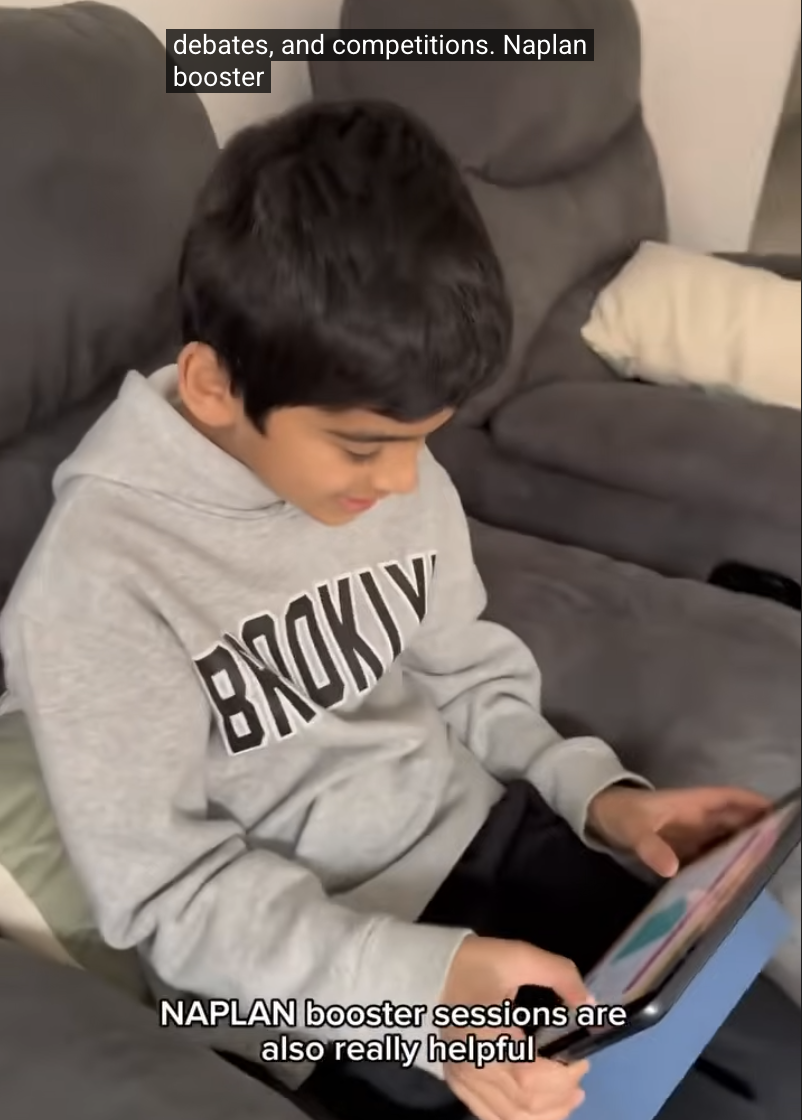
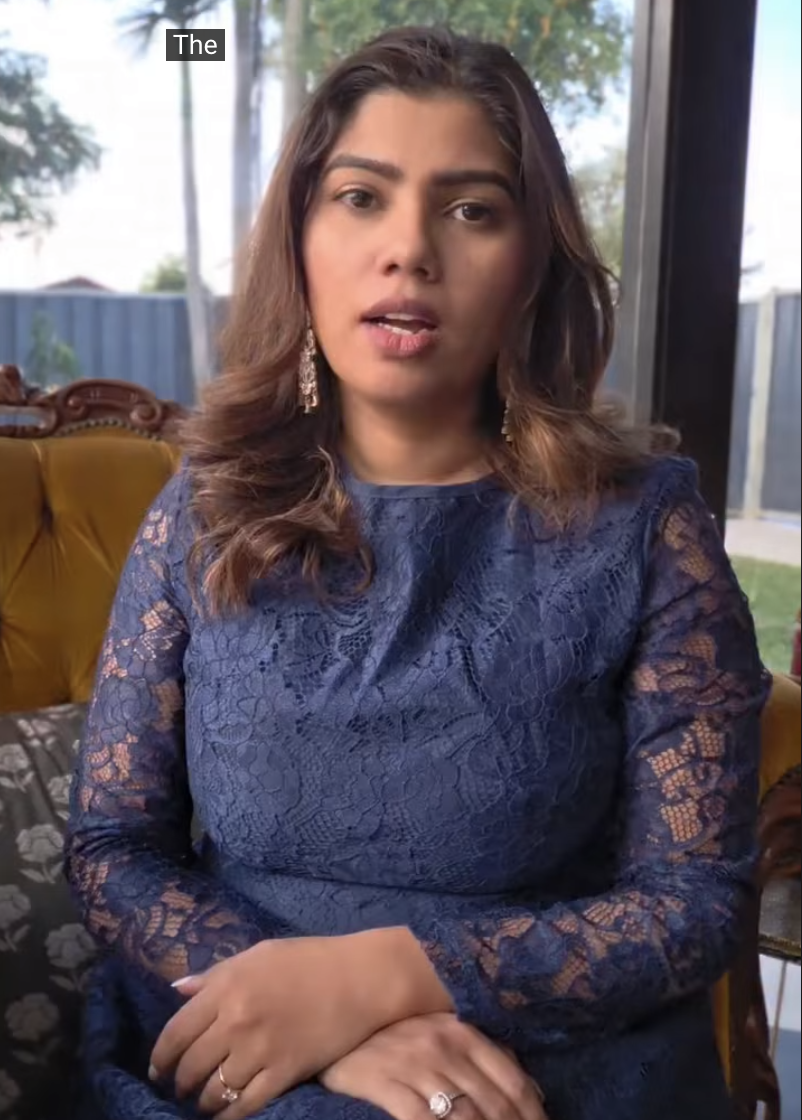
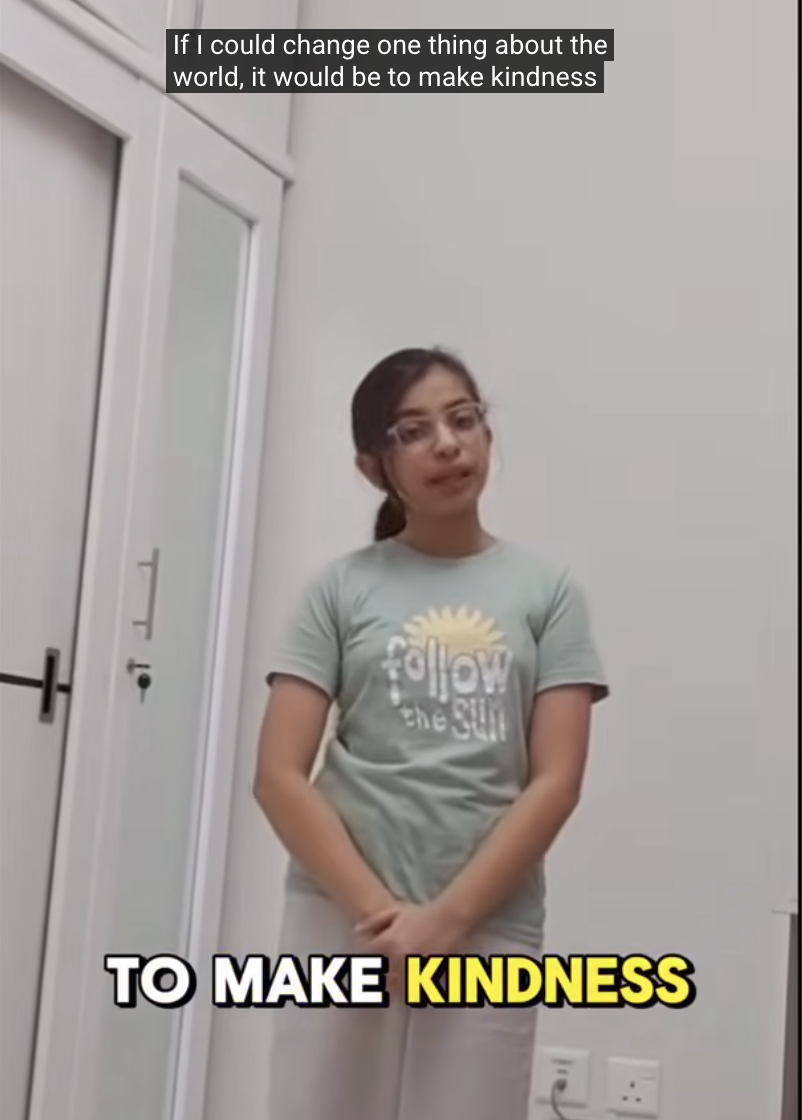
Explains answers now
★★★★★
Parent · Google review · Year 4 · Sydney
Stronger in school English
★★★★★
Parent · Google review · Year 5 · Melbourne
Loves reading now
★★★★★
Parent · Google review · Year 3 · Brisbane
OC prep confidence
★★★★★
Parent · Google review · Year 4 · NSW
PROOF
What changes after the Readers Club
The same comprehension question. Two very different answers. This is what one term achieves.
BEFORE · Week 1
“What is the main theme of the story?”
“The theme is about a boy who goes on an adventure and learns stuff. It was interesting.”
Surface level. No evidence. No analysis of author intent.
AFTER · End of Term 1
“What is the main theme of the story?”
“The main theme is courage. The author shows this through the character’s actions, for example, when he chooses to speak up even though he’s afraid. This suggests the author wants readers to understand that bravery isn’t the absence of fear.”
Identifies theme. Uses evidence. Analyses author intent. Justifies thinking.
Composite of student work across Years 3–6 · Readers Club · One term
READERS CLUB
$495
per term
or $165/month · 3 monthly payments
$80 one-time enrolment fee on signup
12 weeks ·
1 live class per week
Personalised
written feedback on every task
Class recordings
via Learning Den portal
Small groups
maximum 6 students
Cancel before
next term — no lock-in
COMMON QUESTIONS
Everything parents want to know, answered honestly.
No jargon. No corporate language. Just clear answers to the questions parents actually ask.
About the Readers Club
No, it’s a structured reading comprehension and literary analysis program. Tutoring covers school content. FunFox teaches children how to think about what they read, a foundational skill that transfers across every subject and every exam.
Yes, this is exactly who it’s for. Fluent readers often struggle to explain what they read, infer meaning, or analyse text. Reading the words and understanding them are two very different skills. The Readers Club targets the gap between the two.
Almost always the opposite. Children resist reading because it feels confusing and pointless when they don’t understand deeply. Once things start making sense, the frustration drops and curiosity takes over. Our classes are designed to be genuinely enjoyable, not comprehension drills.
Both. Struggling readers gain a clear method. Strong readers develop analytical thinking and literary awareness that takes them from competent to exceptional. Many of our strongest students enrol because they want to be ready for high school English before they get there.
School groups focus on reading aloud and basic comprehension. FunFox goes further, we teach thinking strategies, inference, literary analysis, and how to explain and justify answers. Skills most schools simply don’t have time to teach individually.
Exams and skills
Directly. OC requires critical thinking and reading comprehension, both are core pillars of the Readers Club. NAPLAN reading comprehension is a direct component we align to. Students who build strong foundations with us consistently perform better in all of these assessments.
Yes, this is the core problem we solve. We teach children that different question types require different reading strategies. Once a child knows which tool to use when, comprehension questions stop feeling like guesswork.
Very common, and very fixable. Understanding something and being able to articulate it are separate skills. We teach children how to take what they understood and express it clearly, in writing and in discussion. This is one of the most noticeable improvements parents report.
Yes, deliberately. We introduce short stories, novels and poetry that go beyond typical primary reading. Early exposure to literary analysis means students are not seeing themes and author intent for the first time when they reach Year 7.
Classes and scheduling
Each week your child receives short reading and comprehension activities before class, usually 10 to 15 minutes. They complete these and upload to the Learning Den portal. The teacher reviews their work and provides written feedback. Then comes the one-hour live Zoom class where that week’s text and thinking strategy is explored in the group.
Always 3 to 6 students. Small enough for genuine individual attention. Large enough for the group discussion and debate that is central to how we develop analytical thinking.
Around 15 minutes a day, simple, manageable, and linked to what they’re studying in class. We provide the reading material. Consistency matters more than volume at this age.
Missed classes can be rescheduled through the Learning Den portal. If rescheduling isn’t possible, a full recording of every class is available. We recommend attending live because group discussion is where much of the thinking development happens.
Enrolment and pricing
$495 per term, paid as three monthly instalments of $165. A one-time enrolment fee of $80 applies on signup. No hidden charges beyond these.
No. Our program is structured term by term, each term focuses on a different type of text and reading skill. You can join at the start of any term and your child will be fully up to speed from day one.
One term gives a genuine feel for the method and you will notice a shift in engagement. One year is where measurable improvement in comprehension and analysis becomes significant. Most parents who start see enough improvement in term one that they stay.
Yes, and many families do. The two programs complement each other directly. Writing improves when reading comprehension deepens, and reading analysis improves when writing skills strengthen. A 10% discount applies to the second program.
Still have a question?
Our team responds quickly, usually within a few hours. No scripts, no pressure.
Reading isn’t just saying the words. The earlier your child learns to understand them, the easier everything becomes.
One free trial class. No pressure. Just let your child experience what reading with real understanding actually feels like.
From $165/month · Ages 8–12 · Live online · Cancel anytime